

How To Fix Low Back Pain In The Squat

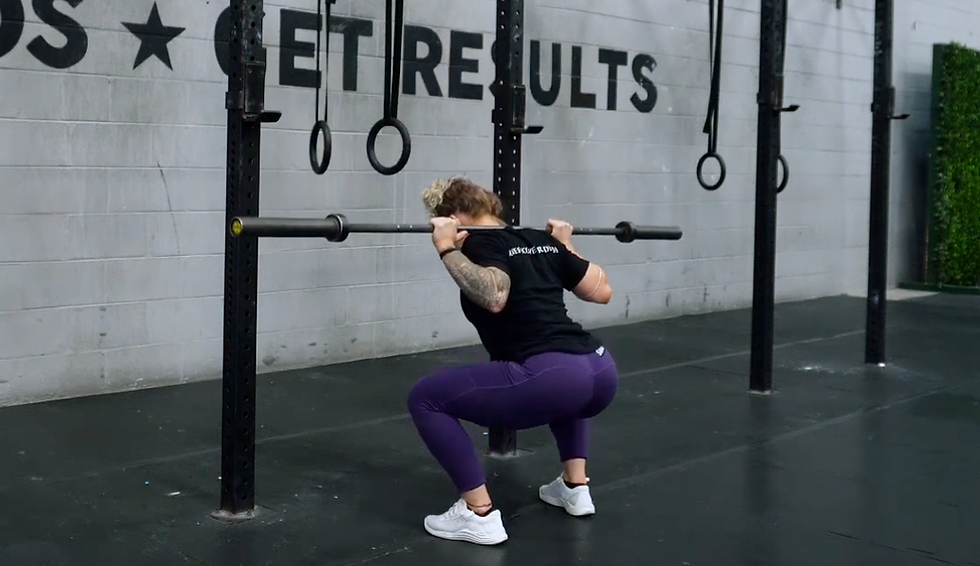
Low back pain during squats is one of the most common complaints I see from athletes here in Tampa, FL—especially CrossFitters, weightlifters, and weekend warriors. Squats are a foundational movement, but when something breaks down in your mobility, strength, or positioning, your low back often pays the price.
The good news? Low back pain in the squat is rarely “just your back.” It’s usually a symptom of limitations or compensations elsewhere in the body. Let’s break down the most common causes we see at Redemption PT — and the simple, effective solutions that actually work.
Common Types of Low Back Pain During Squats
1. Lack of Ankle Dorsiflexion (DF) Mobility
Limited ankle mobility decreases your ability to drive your knees over your toes causing us to have to pitch our trunk forward or overuse the low back. If your heels lift, your chest drops, or your torso collapses at the bottom of your squat, restricted ankle dorsiflexion may be a major contributor.
2. Poor Core Strength or Poor Bracing Mechanics
A weak core isn’t just about abs—it’s about your ability to create and maintain 360° pressure around your spine. Without proper bracing, the low back becomes unstable under load, increasing stress and irritation during squats.
3. Lack of Hip Mobility
Restricted hip mobility limits depth and control, often leading to compensations such as lumbar flexion or excessive arching. Over time, these compensations place unnecessary strain on the low back, especially under heavier loads.
4. Lack of Glute Strength (Low Back Dominant Squat Pattern)
When the glutes fail to generate or control force effectively, the low back often takes over. This low-back–dominant strategy is extremely common in athletes who experience recurring tightness, fatigue, or pain during squatting movements.
5. Poor Positioning & Positional Awareness
Sometimes the issue isn’t strength or mobility—it’s simply not knowing where your body is in space. Poor positional awareness can lead to excessive lumbar lordosis, butt wink, stance faults, or loss of tension throughout the movement, all of which can overload the spine.
6. Lack of Thoracic Mobility and/or Strength
Limited thoracic spine mobility or upper back strength affects posture and postural control during the squat. When the thoracic spine can’t extend or stay stable, the low back often compensates to maintain balance and depth.
and guess what....some of these problems can ALSO cause knee pain during squats!

Our Top 5 Solutions to Fix Low Back Pain During Squats
*CHECK OUT OUR YOUTUBE CHANNEL FOR VIDEOS OF THE EXERCISES BELOW!
1. Improve Ankle Dorsiflexion Mobility
Banded ankle DF mobilizations
Consistent soft tissue and mobility work
Improved ankle mobility allows for a more upright squat and reduces excessive forward lean.
2. Restore Hip Mobility
½ kneeling kettlebell hip opener
Banded 90/90 hip internal rotation mobilization
Better hip mobility helps you access depth without sacrificing spinal position.
3. Activate & Strengthen the Glutes
Targeted glute activation and progressive strengthening teach your body to generate force from the hips instead of defaulting to the low back—especially important for athletes who squat frequently.
Single Leg RDLs
Glute Bridges
Banded Side Plank Clamshells
4. Improve Positioning & Positional Awareness
Modify squat stance when appropriate
Use tempo squats to build control
Video tape yourself or squat in front of a mirror
Slowing the movement down improves awareness, control, and consistency under load.
5. Address Thoracic Mobility & Upper Posterior Chain Strength
Pairing thoracic mobility work with upper back and posterior chain strengthening improves posture, squat mechanics, and overall spinal load distribution.
Sometimes the fix is as simple as switching squat variations for the time being while addressing the ROOT CAUSE and then slowly adding back in the specific squat goal.
LISTEN TO THE PODCAST: HOW TO FIX LOW BACK PAIN IN THE SQUAT
Final Thoughts
If low back pain during squats persists despite consistent mobility and strength work, it’s time to look deeper. A personalized assessment can identify your specific limitations and help you train pain-free—without guessing.
At Redemption Physical Therapy in Tampa, FL, we specialize in helping active adults and athletes fix pain at the source while keeping them training.
If squats hurt your low back, you don’t need to stop squatting—you need a better plan.
👉 Request an appointment today and let’s get you back to lifting with confidence.
Talk to you soon,
Redemption Physical Therapy
YouTube: Redemption Physical Therapy


Comments