

Ligament Sprains: How They Happen and How Physical Therapy Can Hel


Ligament sprains are a common injury for athletes, weekend warriors, and active adults in Tampa, FL. Whether you’re running along Bayshore Boulevard, hitting the CrossFit box, or playing recreational sports, understanding how sprains happen and how to properly recover is key to staying active and avoiding long-term joint issues.
What is a Ligament Sprain?
A ligament sprain, different from a muscle strain, occurs when a ligament—a tough band of tissue connecting bone to bone—is stretched or torn. Ligaments help stabilize your joints and prevent excessive movement. Just like muscle strains, ligament sprains are categorized into grades:
Grade I: Slight stretching or microtears
Grade II: Partial tear
Grade III: Complete tear or rupture
Sprains can affect any joint, but the ankle, knee, and wrist are most commonly injured in Tampa’s active community.

How Ligament Sprains Happen
Sprains usually occur when a joint is forced beyond its normal range of motion. Common examples include:
Rolling your ankle during a run
Twisting your knee while playing soccer
Landing awkwardly during a workout
Even seemingly minor missteps can stretch or tear ligaments, leading to pain, swelling, and limited mobility.
Healing Timeline by Sprain Grade
Understanding the severity of your sprain helps guide recovery and prevents long-term issues.
Grade I Sprain
What it is: Slight stretching or micro tearing of ligament fibers
Symptoms: Pain, swelling, stiffness, often little to no joint instability
Healing time: ~1–3 weeks
Grade II Sprain
What it is: Partial tear of the ligament
Symptoms: Noticeable pain, swelling, bruising, joint “looseness” or instability
Healing time: ~3–8 weeks
Grade III Sprain
What it is: Complete tear or rupture of the ligament
Symptoms: Pain, swelling, bruising, significant joint instability
Healing time: ~8–12+ weeks; surgical repair may be necessary depending on the ligament and severity
Common Mistakes That Delay Healing
Many athletes make these mistakes after a sprain, which can prolong recovery or increase re-injury risk:
Returning to activity too soon: Jumping back into exercise can worsen the injury. Early rehab phases protect the joint and allow gradual loading.
Complete rest: Gentle, guided movement helps blood flow, maintains mobility, and strengthens surrounding muscles.
Ignoring the injury: Training through pain can cause compensations, chronic instability, or a full tear.
Not addressing underlying issues: Weak muscles, poor mechanics, or limited ankle mobility can lead to repeat sprains.
Over-reliance on ice alone: While ice can reduce swelling, it does not restore strength or stability.
A Simple Physical Therapy Protocol for Ligament Sprains
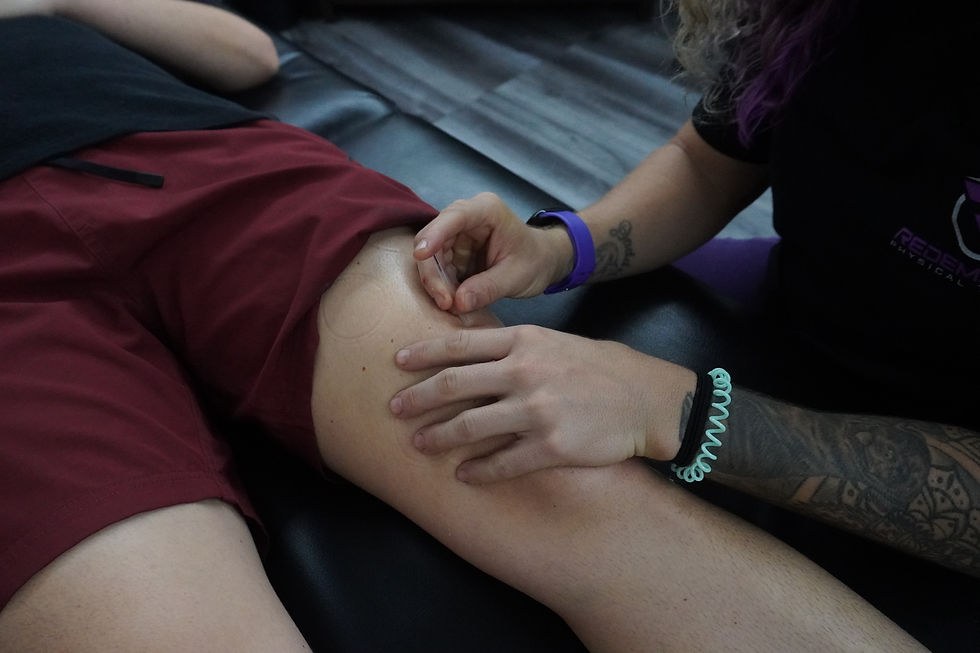
Recovering properly requires a phased approach. Here’s what a structured rehab plan looks like:
Phase 1: Acute
Focus: Protect and reduce swelling
Modify or temporarily eliminate painful activities
Use compression, elevation, and gentle motion
Avoid stretching or loading the injured ligament too early
Phase 2: Subacute
Focus: Restore motion and begin activation
Gentle range of motion exercises
Isometric and unloaded concentric exercises
Proprioception and balance drills as tolerated
Phase 3: Strengthening
Focus: Rebuild strength and stability
Progress to resistance band, bodyweight, and then weighted exercises
Advance balance drills on single limb, unstable surfaces, and dynamic movements
Phase 4: Return to Sport/Activity
Focus: Power and sport-specific readiness
Plyometrics, agility drills, cutting, and landing practice
Continue mobility and strength training to prevent re-injury
Address underlying weaknesses and movement mechanics
Why Choose Physical Therapy in Tampa, FL
Physical therapy is more than just recovery—it’s about preventing future sprains and optimizing performance. At Redemption Physical Therapy, we specialize in injury rehab, mobility work, and strength training for active Tampa residents. Whether you’ve rolled your ankle at a local CrossFit gym or tweaked your knee during a weekend soccer game, our personalized programs guide you safely back to full activity.
Final Thoughts
Don’t let a sprain slow you down.
Start your recovery today with Redemption Physical Therapy in Tampa, FL and get back to doing what you love—stronger and more resilient than ever.
Local to Tampa, FL and dealing with a sprain yourself, or any other nagging injury, and you want to figure out your next steps, BOOK A FREE PHONE CONSULT today and let's chat!
Talk to you soon,
Redemption Physical Therapy
YouTube: Redemption Physical Therapy


Comments